
Project Area
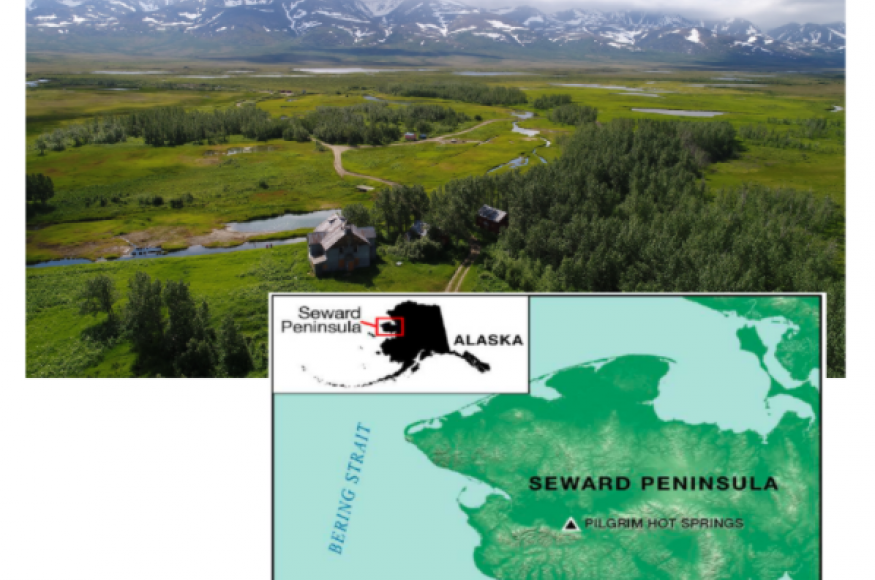
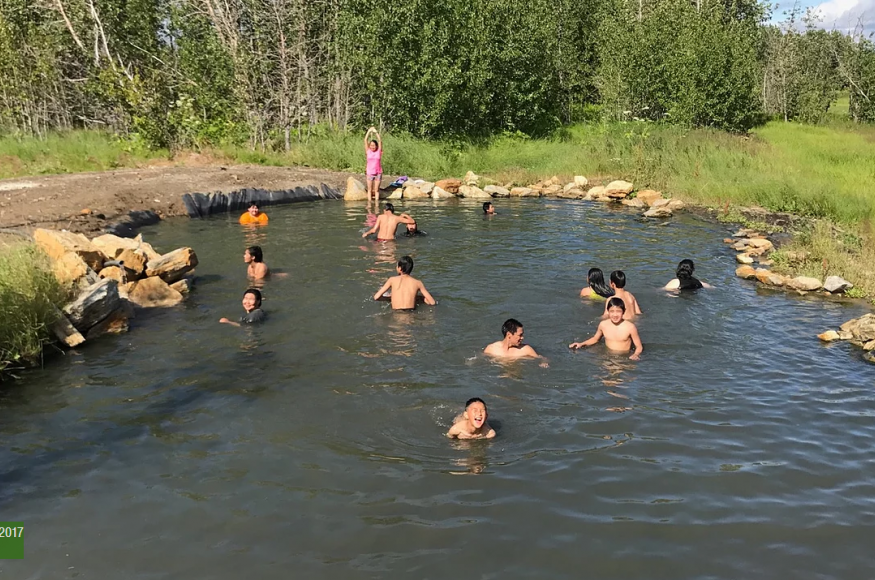
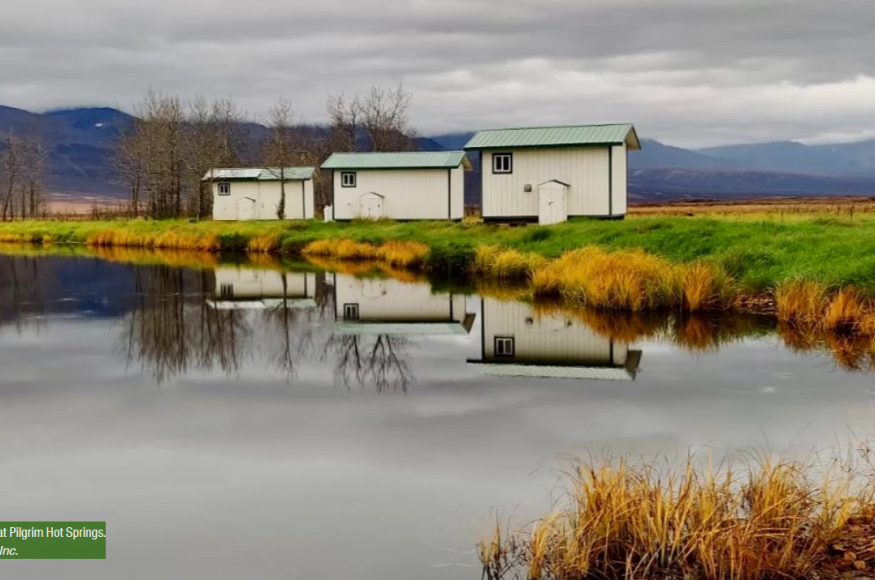
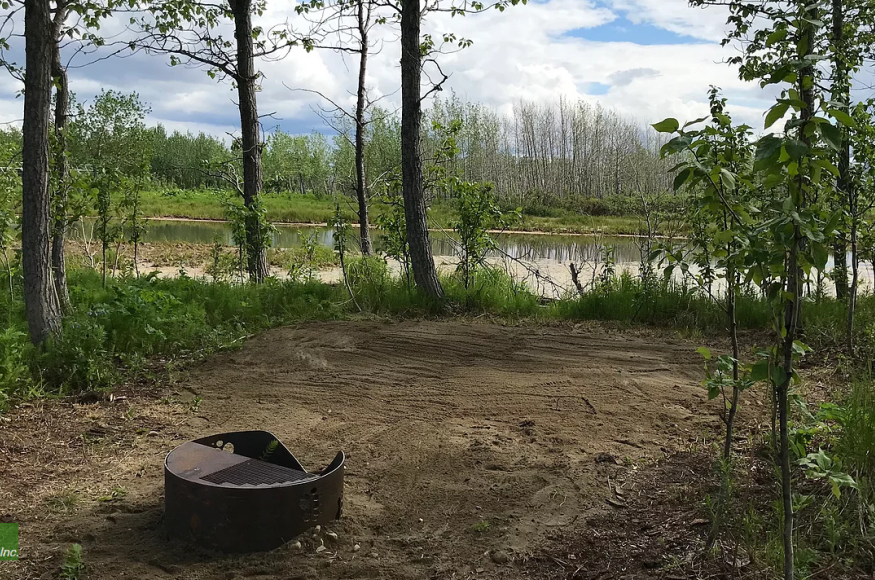
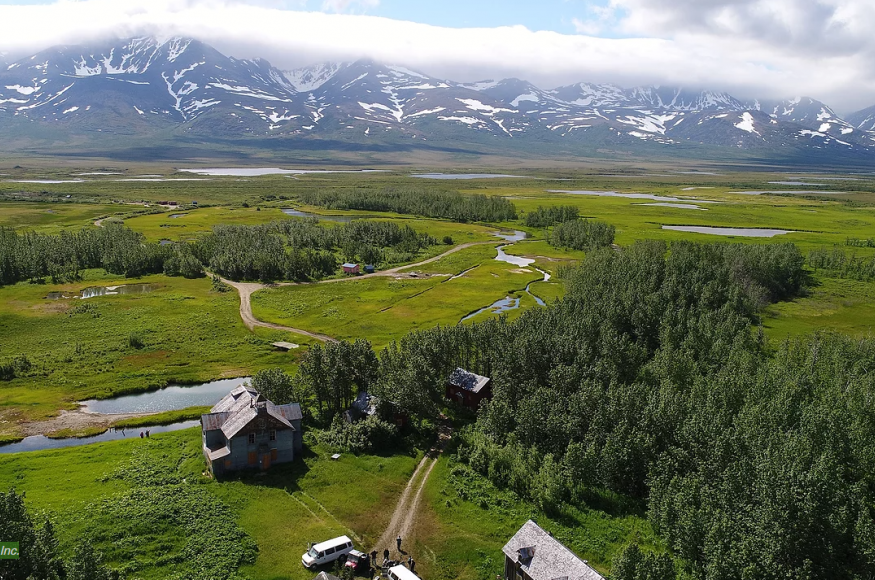
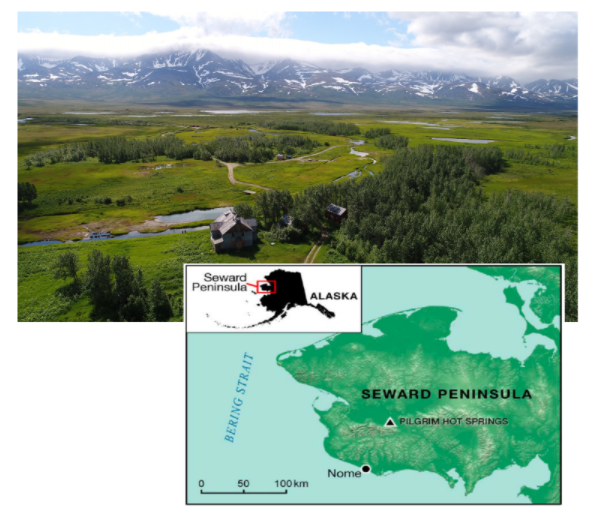
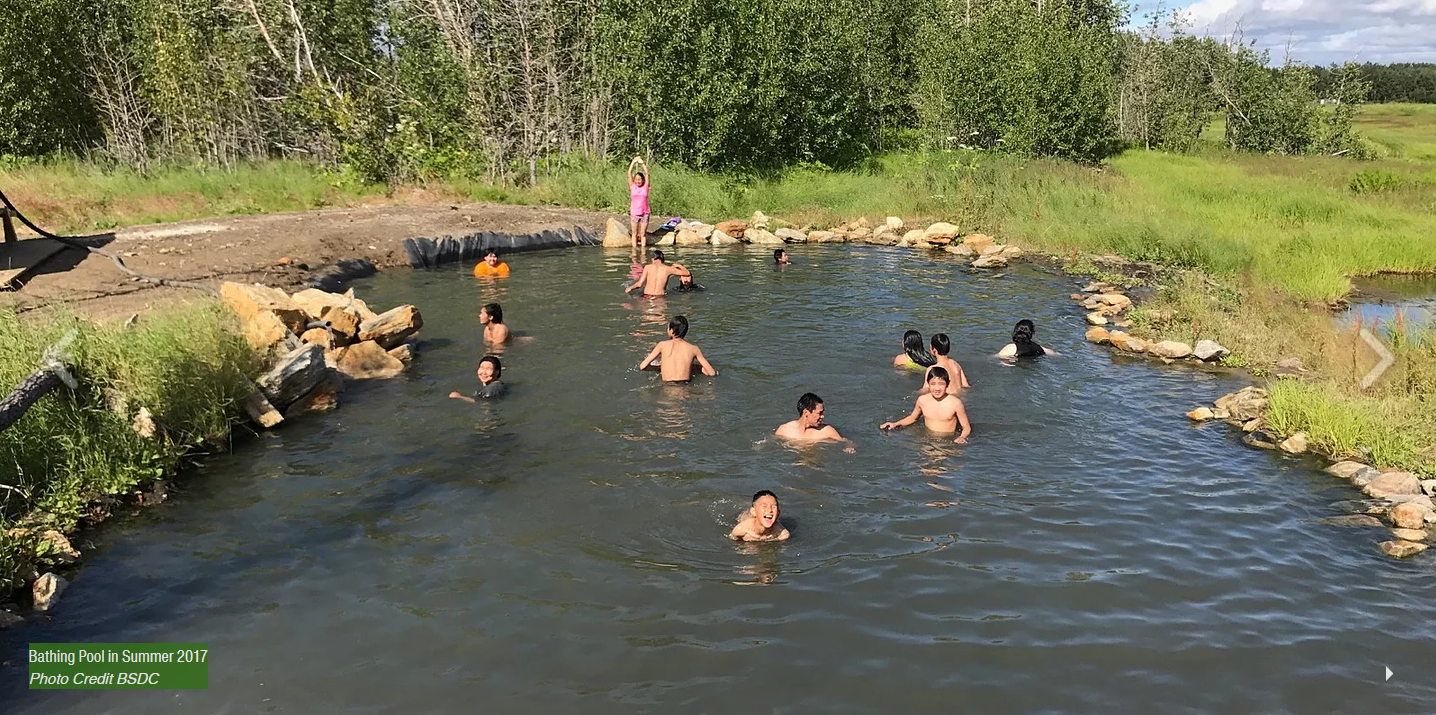
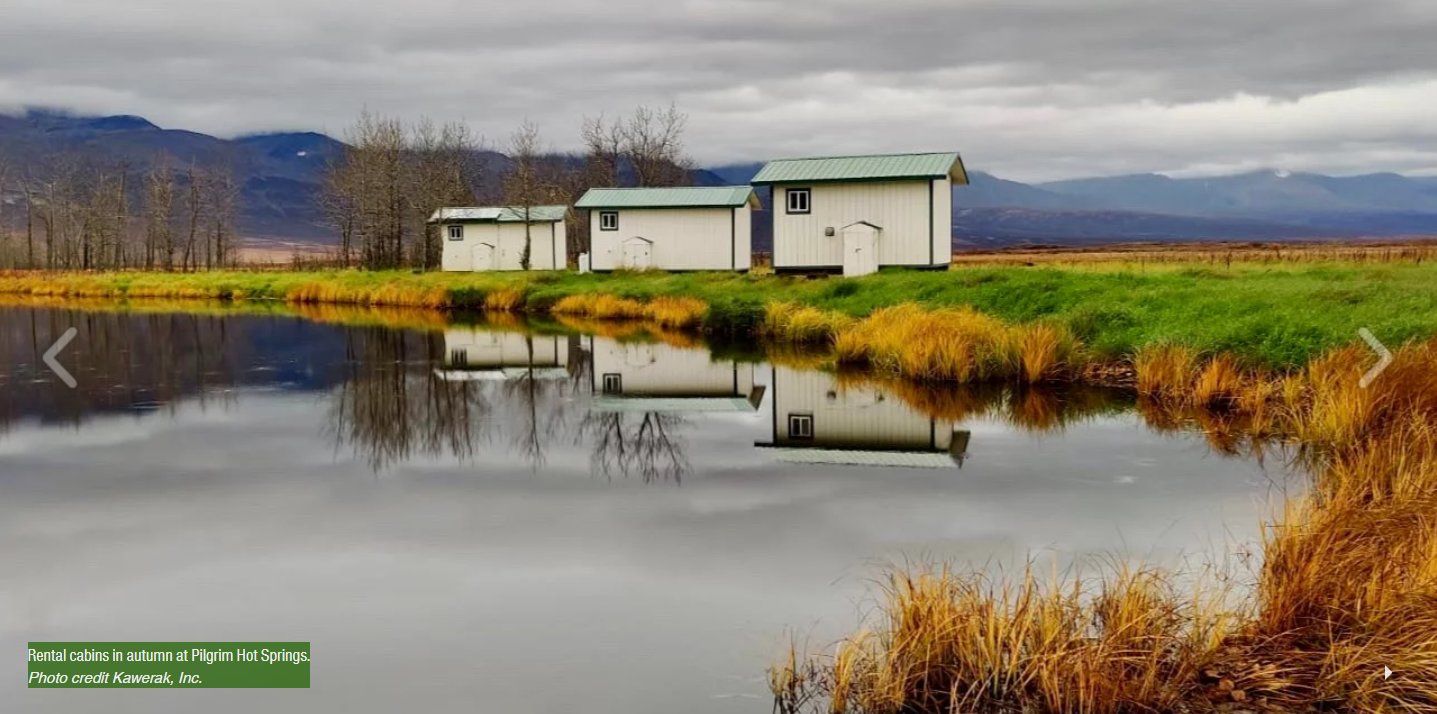
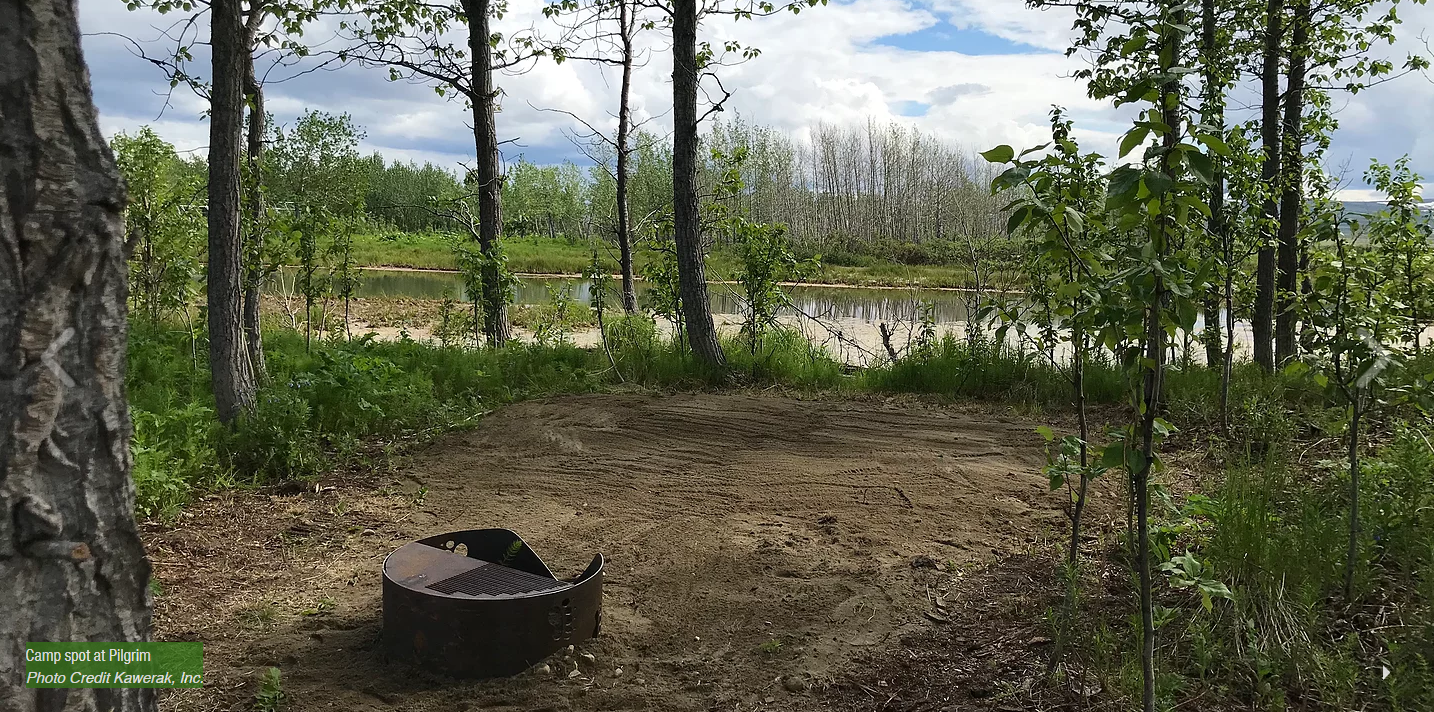
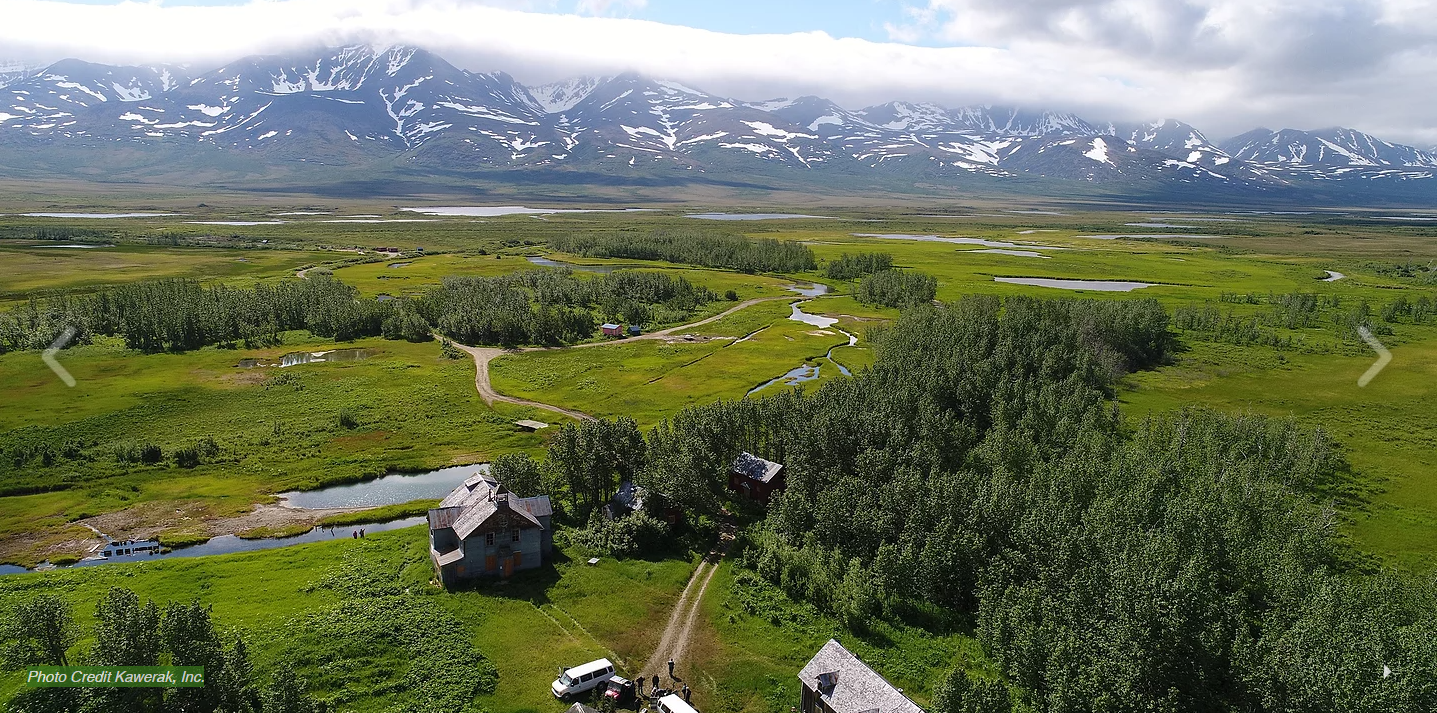
Pilgrim Hot Springs is a 320-acre property located in remote Northwestern Alaska in Qawiaraqmiut traditional territory, between Hen and Chickens Hill and the Kigluaik Mountain Range. The geothermal bathing pools are at the center of an area of warm fertile soil and lush cottonwood forest. There is a variety of recreational infrastructure on site, including campsites, cabins, and trails. There is also a historic mission complex, as well as agricultural areas such as gardens and fields. Pilgrim Hot Springs is on the National Register of Historic Places, and is surrounded exclusively by the Indigenous-owned land of Mary's Igloo Native Corporation.
Challenges and Opportunities
Climate change will present challenges and opportunities for accomplishing the management objectives of this project, including:
Challenges
Increasing precipitation may reduce the amount of dry ground suitable for campsites and outhouses, and may lead to flooding of the trail system, church, and cemetery.
High water and flooding, eroding banks, extreme weather, and softer ground will make building restoration and road improvements more difficult.
Higher water levels may also affect the accessibility of the hot springs, and have already begun to contaminate agricultural fields with geothermal waters
Increases in temperature may make hot spring pools too hot in the summer and could also create a more suitable environment for invasive species, bacteria growth, and algae
Drought conditions may negatively impact berry producing plants and make transplanting or introducing new species difficult
Opportunities
Longer suitable season for onsite trail use may result in an increase in guest activity & revenue opportunities related to education and ecotourism
Warmer temperatures and less permafrost could result in less degradation of building foundations and a reduced need for heating
Warmer, sunnier days could make renewable energy integration at existing sites more feasible
If warmer temperatures increase the presence of migratory birds earlier in the year, there would be more bird viewing and less mosquitoes
Early thawing in the winter would allow crews to get onsite earlier for road maintenance
Adaptation Actions
Project participants used the Adaptation Workbook to develop several adaptation actions for this project, including:
Area/Topic
Approach
Tactics
Hot springs, infrastructure & campsites
1.2 Maintain, improve, and construct infrastructure using materials that can withstand a range of climate stressors
1.5 Employ protective measures to minimize damage from disturbance events
1.5 Employ protective measures to minimize damage from disturbance events
Secure all infrastructure to withstand high winds and severe weather events, especially heavy snow fall and ice. Weatherize all structures for a changing winter season and longer season onsite
Forested area
5.2. Maintain and restore diversity of native species.
5.4. Establish reserves to maintain ecosystem diversity.
5.4. Establish reserves to maintain ecosystem diversity.
Plant additional native tree species common to the region (balsam poplar, birch, spruce) that complement the cottonwood forest
Agricultural area
Protect agricultural fields from geothermal waters by lowering water level
Maintain and improve soil health by using crop covers
Monitoring
Project participants are still working to identify future monitoring items.
Learn More
Keywords
Recreation